


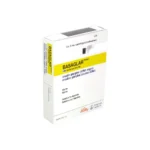

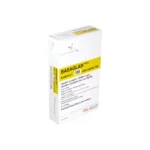
Basaglar Cartridge 100 U/mL 5×3 mL
€101.68
Delivery & Privacy
- Fast next‑day delivery to get your products as soon as possible.
- All items are packaged discreetly to maintain your privacy.
Basaglar is insulin glargine, a long-acting basal insulin used to help manage blood glucose in diabetes. This cartridge format is meant for use with a compatible insulin pen device, so the product form matters as much as the medicine name. Before you add the item to your cart, compare the displayed option with what your prescriber wrote, including concentration, quantity, and any device instructions.
Basaglar Cartridge Price and Available Options
The current listed Basaglar Cartridge price reflects the product option selected on this page. For insulin cartridges, the most important comparison points are concentration, cartridge volume, pack count, and total insulin units. Basaglar is commonly listed as a 100 Units/mL insulin glargine cartridge, and a 3 mL cartridge contains 300 units in total. That total content is not the same as a single dose.
When a Basaglar Cartridge pack of 5 is listed, the pack size can change the total amount supplied and the way you compare value. A pack with five 3 mL cartridges contains more total insulin than a single 3 mL cartridge, even though the concentration remains 100 Units/mL. Check the selected presentation before comparing it with Basaglar insulin price references from other sources.
If you are comparing Basaglar Cartridge without insurance, focus on the cash-pay amount shown for the exact cartridge and quantity selected. A Basaglar cash pay price can differ from an insurance copay, manufacturer list price, or pharmacy quote because each may use different coverage rules or pack assumptions. The useful comparison is the selected product, its total contents, and the amount due for that option.
| Listing detail | What to check | Why it matters |
|---|---|---|
| Strength | 100 Units/mL | Confirms the insulin concentration on the prescription. |
| Cartridge volume | Often 3 mL | Helps calculate total units per cartridge. |
| Pack count | Single or multi-pack | Changes the total supply being compared. |
| Device fit | Compatible pen system | Cartridges are not interchangeable with every pen. |
The Long-Acting Insulin collection can help you compare other basal insulin listings when your prescription allows a different product or presentation.
How to Order Online
To order Basaglar Cartridge online, choose the cartridge presentation that matches your prescription and review the selected quantity before checkout. Keep your prescriber and pharmacy label details nearby so the name, strength, and device instructions are easy to confirm. A valid prescription is required for this insulin.
- Product name: Match Basaglar and insulin glargine wording.
- Strength: Confirm 100 Units/mL if listed.
- Form: Select cartridge, not vial or prefilled pen.
- Quantity: Check cartridge count and total mL.
- Device: Confirm the suitable pen before use.
Quick tip: Compare the cartridge label with your prescription before selecting a quantity.
Match the Cartridge, Pen, and Pack Details
A Basaglar insulin cartridge is a container of insulin glargine designed for a compatible pen device. It is different from a vial, which is usually used with syringes, and different from a prefilled pen, which already includes the delivery device. The cartridge format can be practical for patients who already use the prescribed reusable pen system.
Do not assume that any insulin cartridge fits any pen. A Basaglar Cartridge suitable pen should be identified by your clinician, pharmacist, or product instructions. Using the wrong pen can lead to dosing errors, leakage, or device failure. The Insulin Cartridges resource can help distinguish cartridges from vials and prefilled pens.
Pack details matter because insulin listings can describe both the cartridge volume and the number of cartridges supplied. A Basaglar 3ml cartridge at 100 Units/mL contains 300 units. If a pack contains five cartridges, the total amount supplied is larger, but the concentration remains unchanged. Your dose schedule should come from your clinician, not from pack size math.
- Cartridge: Requires the right reusable pen.
- Prefilled pen: Device and insulin are supplied together.
- Vial: Typically used with insulin syringes.
- Pack count: Affects total supply, not concentration.
The Insulin Pens resource is useful when comparing reusable pen systems and prefilled devices.
Use in Diabetes Care
Basaglar Cartridge injection contains insulin glargine, a long-acting insulin analog. It is used to improve blood glucose control in adults and pediatric patients with diabetes when basal insulin is appropriate. Basal insulin works in the background over an extended period, unlike rapid-acting insulin used around meals.
People with type 1 diabetes often use basal insulin as part of a broader insulin plan that includes mealtime insulin. Some people with type 2 diabetes may use basal insulin alone or with other diabetes medicines. The plan depends on clinical factors, glucose patterns, and the prescriber’s instructions. The Diabetes collection groups related products used in diabetes care.
Basaglar is not intended for treating diabetic ketoacidosis. It should not be used during episodes of low blood sugar. If your prescription has changed from another
Storage, Handling, and Travel Basics
Insulin is temperature sensitive, so storage is part of product selection. Unused Basaglar cartridges are generally stored in a refrigerator until use, according to the product leaflet. Do not freeze insulin, and do not use a cartridge that has been frozen. Heat, direct light, or damaged packaging can affect quality.
Once a cartridge is in use, follow the storage time and temperature limits in the official instructions supplied with your product. Many insulin products have different rules before and after first use. Check whether the cartridge should be kept in the pen, whether it needs the pen cap on, and when it should be discarded after opening.
For travel, keep insulin with you rather than placing it in checked luggage. Use an insulated case when temperatures may be outside the recommended range, but avoid placing the cartridge directly on ice or frozen gel packs. A cold-chain shipping process helps protect temperature-sensitive insulin during transit, but storage remains your responsibility after delivery.
- Before use: Follow refrigerated storage directions.
- During use: Track the in-use discard date.
- Temperature: Avoid freezing, heat, and sunlight.
- Travel: Keep insulin accessible and protected.
- Appearance: Do not use cloudy or damaged insulin.
Why it matters: Temperature damage may make insulin less reliable even when the cartridge looks intact.
Safety Checks Before Ordering
Before ordering insulin glargine, review the main safety points that affect everyday use. The most important risk is hypoglycemia, or low blood sugar. Symptoms can include sweating, shaking, hunger, headache, dizziness, fast heartbeat, confusion, or weakness. Severe low blood sugar can cause loss of consciousness or seizures and needs urgent help.
Basaglar should not be used during hypoglycemia or by anyone with a known allergy to insulin glargine or any product ingredient. Allergic reactions can include rash, swelling, trouble breathing, or severe dizziness. Injection site reactions may include redness, itching, swelling, or changes in skin texture. Rotating injection sites as instructed can help reduce local skin problems.
Other safety concerns include hypokalemia, or low potassium, which can be serious in some patients. Insulin needs may change with illness, stress, changes in meal pattern, kidney or liver problems, activity changes, or other medications. Do not change the Basaglar Cartridge dosage on your own. Dose adjustments should come from the prescriber managing your diabetes plan.
| Safety point | What to watch | Action |
|---|---|---|
| Low blood sugar | Shaking, sweating, confusion | Follow your clinician’s hypoglycemia plan. |
| High blood sugar | Thirst, frequent urination, fatigue | Contact your care team if readings stay high. |
| Allergic reaction | Rash, swelling, breathing trouble | Seek urgent medical attention. |
| Low potassium | Weakness, cramps, irregular heartbeat | Ask about monitoring if you are at risk. |
Never share insulin pens, cartridges, or needles, even if the needle has been changed. Sharing injection equipment can transmit infections. Use a new needle for each injection, dispose of sharps safely, and follow device instructions for priming and injection technique.
Interactions and Monitoring
Several medicines can affect blood sugar or change how insulin works. These may include other diabetes medicines, corticosteroids, beta blockers, diuretics, some psychiatric medicines, and certain heart or blood pressure treatments. Alcohol can also increase the risk of low blood sugar in some situations.
Thiazolidinediones, a class of diabetes medicines, may increase the risk of fluid retention and heart failure when used with insulin. Tell your clinician about all prescription medicines, over-the-counter products, and supplements you use. Monitoring matters because insulin needs can change over time.
- Glucose checks: Follow the schedule your clinician gives.
- Illness days: Ask how to manage readings and meals.
- New medicines: Confirm whether monitoring should change.
- Kidney or liver issues: Discuss added monitoring needs.
- Device problems: Report leaks, jams, or unexpected readings.
If blood sugar readings are repeatedly outside your target range, contact the clinician managing your diabetes. The answer may involve injection technique, timing, meal patterns, device fit, or a dose change, but those decisions should be individualized.




Reviews
There are no reviews yet.