

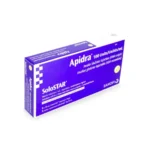
Apidra Vials 100 U/mL 1×10 mL
$61.99
Delivery & Privacy
- Fast next‑day delivery to get your products as soon as possible.
- All items are packaged discreetly to maintain your privacy.
Apidra is insulin glulisine, a rapid acting insulin used as part of a diabetes treatment plan. Before checkout, match the selected vial to the prescribed product name, concentration, and total quantity so the order reflects what your clinician intended.
For customers considering US delivery from Canada, the same product checks still matter: presentation, total contents, temperature handling, and prescriber details if they are requested.
Price, Strengths, and Available Options
The Apidra vial price should be reviewed alongside the selected product presentation, quantity, and any pack details shown on the page. For insulin, the vial count and total units can matter more than the headline amount alone, because a 10 mL vial at 100 units/mL contains 1000 total units.
If the page lists more than one Apidra presentation, compare the vial format separately from pen devices or cartridges. Vials are typically used with U-100 insulin supplies or a compatible pump system when prescribed, while prefilled pens have different handling and device steps.
| Listing detail | What to compare |
|---|---|
| Form | Solution for injection in a multidose vial. |
| Concentration | 100 units/mL, also written as U-100 insulin. |
| Total contents | A 10 mL vial contains 1000 units in total. |
| Active ingredient | Insulin glulisine, a rapid acting insulin analogue. |
| Quantity selected | Match vial count or pack details to the prescription. |
Quick tip: Total vial contents are not the same as a single dose.
Customers comparing Apidra vial without insurance can use the displayed cash-pay amount to understand the selected listing. Coverage, reimbursement, and out-of-pocket costs are separate issues, so review the checkout path and any plan paperwork without assuming a final amount from another product format.
How to Buy Apidra Vials Online
Start by choosing the vial listing that matches the prescribed brand, active ingredient, concentration, and quantity. Keep your current prescription and prescriber contact information available, because details may be reviewed or verified when needed.
- Product match: confirm Apidra and insulin glulisine.
- Strength match: verify 100 units/mL.
- Form match: choose vial, not pen.
- Quantity match: compare vial count and total units.
- Contact details: keep prescriber information current.
Do not change from a vial to another device because it looks more convenient. Device changes can affect supplies, training, and dosing workflow, so they should align with your clinician’s instructions.
Product Details That Affect Ordering
An Apidra insulin glulisine vial is a clear injection solution supplied as U-100 insulin. The common Apidra 10 mL vial contains 1000 units in total, based on 100 units in each mL.
This matters when you compare quantity, because one vial is not one use. The prescribed dose schedule, priming or pump-fill needs, and discard timing can all affect how long a vial lasts, but those details should come from your care plan rather than the product listing.
The Apidra injection vial may be prescribed for subcutaneous injection with appropriate U-100 supplies, and some patients use rapid acting insulin in pump therapy when their clinician has selected that method. If a pump is involved, confirm that the prescribed insulin, reservoir instructions, and infusion set timing match the device guidance.
The Apidra solution for injection vial should look clear and colorless. Do not use a vial that appears cloudy, thickened, discolored, or contains particles. Check the expiry date and packaging condition before first use.
Why it matters: Matching the presentation helps avoid supply and dosing-workflow errors.
What This Rapid Acting Insulin Is Used For
Insulin glulisine is a rapid acting insulin analogue used to help control high blood sugar in diabetes mellitus. It is commonly used around meals or for correction dosing when that is part of a prescribed diabetes plan.
Rapid acting insulin is not the same as long acting basal insulin. Many people who use mealtime insulin also use a separate basal product, but the exact regimen is individualized by the prescriber.
If you are comparing rapid acting choices, the Rapid Acting Insulin collection can help you review related product formats. Use that comparison to understand form and ingredient differences, not to substitute one insulin for another without medical direction.
Storage, Handling, and Travel Basics
Insulin is temperature sensitive. Unopened Apidra vials are typically stored in a refrigerator at 2°C to 8°C and should not be frozen. Keep vials away from direct heat and light, and do not use insulin that has been frozen even if it later thaws.
After a vial is first used, follow the product leaflet for the allowed in-use storage time and temperature. Write the first-use date on the carton if that helps you track discard timing. Do not rely on appearance alone to decide whether an opened vial is still within its use period.
When insulin arrives, unpack it promptly and check that the carton, vial, and labeling are intact. If the product is warm, damaged, leaking, or visually abnormal, do not use it until you have received appropriate guidance.
Travel planning should protect the vial from freezing, overheating, and breakage. Use insulated storage when needed, keep insulin with you rather than in checked luggage, and avoid placing the vial directly against ice packs. A protective case can also reduce breakage risk for glass vials.
The Insulin Storage Basics resource can help you plan refrigeration, travel supplies, and safe handling routines for temperature-sensitive insulin.
Safety Checks Before Ordering
The most important safety risk with any insulin is hypoglycemia, or low blood sugar. Symptoms may include sweating, shakiness, fast heartbeat, hunger, headache, confusion, blurred vision, or weakness. Severe hypoglycemia can cause seizures, loss of consciousness, or death if not treated promptly.
Do not use Apidra during an episode of low blood sugar or if you have a known hypersensitivity to insulin glulisine or any ingredient in the vial. Serious allergic reactions can include rash, swelling, trouble breathing, wheezing, dizziness, or a rapid heartbeat.
Other possible effects include injection site redness, itching, swelling, lipodystrophy (changes in fat tissue under the skin), weight gain, and low potassium levels. Low potassium can be serious, especially for people with kidney disease or those taking medicines that affect potassium.
- Low glucose: carry a treatment source if advised.
- Skin changes: rotate sites as instructed.
- Allergy signs: seek urgent care for breathing trouble.
- Potassium risk: report weakness or irregular heartbeat.
- Vial appearance: avoid cloudy or particle-filled solution.
People using thiazolidinediones, sometimes called TZDs, with insulin may have a higher risk of fluid retention and heart failure. Contact a clinician if new swelling, shortness of breath, or sudden weight gain occurs.
Interactions and Monitoring Points
Many medicines can change blood sugar or insulin needs. Examples include other diabetes medicines, corticosteroids, thyroid medicines, diuretics, certain blood pressure medicines, and some psychiatric medicines. Alcohol can also make glucose changes harder to predict.
Beta blockers and some related medicines may mask warning signs of low blood sugar, such as a fast heartbeat. This can make regular glucose monitoring more important, especially when routines, meals, exercise, or illness patterns change.
Use your glucose meter or continuous glucose monitor as directed. If readings are often outside the target range, or if you need repeated correction doses, contact your care team instead of changing the dose on your own.
Some people ask about timing rules for rapid acting insulin to avoid insulin stacking, which means overlapping active insulin doses. Your prescriber should define any timing rule, correction interval, and sick-day plan based on your regimen and glucose history.
Compare With Related Options
Apidra vials may be the right format when the prescription calls for a vial, U-100 insulin supplies, or pump reservoir use. If the same medication is prescribed in a pen format, Apidra SoloStar Pens can be compared for device differences and handling steps.
Some prescriptions use a different rapid acting insulin instead of insulin glulisine. Humalog Vial is another U-100 rapid acting insulin vial, but it contains insulin lispro, not insulin glulisine.
The broader Insulin Products category can help you compare prescribed insulin forms, including vials, cartridges, and pens. Product comparisons should focus on the active ingredient, concentration, device, storage, and the clinician’s instructions.
Do not switch insulin brands, devices, or concentrations based only on convenience or cost. Even when products look similar, onset, device technique, supply needs, and dose conversion questions can require clinician input.



Reviews
There are no reviews yet.