

Finasteride
$18.67
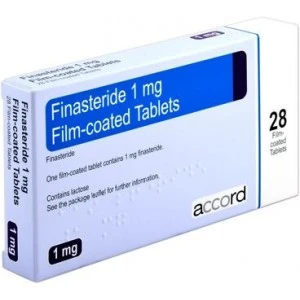
Finasteride 1mg is a generic hair loss treatment for male-pattern hair loss (previously known as male-pattern baldness). Hair loss can significantly impact an individual’s self-image and emotional well-being, and successful treatment can provide substantial relief to those affected. This once-daily tablet has been clinically proven to slow hair loss and promote hair regrowth in men. Finasteride is a proven treatment that is usually very well tolerated.
Delivery & Privacy
- Fast next‑day delivery to get your products as soon as possible.
- All items are packaged discreetly to maintain your privacy.
What is Finasteride Used For?
Finasteride is a prescription-only medicine used to treat male pattern hair loss (androgenetic alopecia) in adult men. It contains finasteride 1 mg, a well-established, clinically proven active ingredient that targets the underlying hormonal cause of hair thinning rather than just its symptoms. Finasteride 1mg is a generic alternative to Propecia.
Finasteride tablets are taken once daily and are intended for long-term, continuous use. By reducing hair loss and supporting regrowth in specific scalp areas, finasteride helps many men maintain thicker, fuller hair over time. It is most effective when started early in the hair loss process before significant follicle damage has occurred.
What Causes Hair Loss?
There are many factors that can contribute to hair loss. These may be temporary, for instance, stress-induced, or long-term. Male-pattern hair loss (androgenic alopecia) is a long-term form of hair loss that affects up to half of men in their 50s, though it can start earlier. It has a significant genetic component, meaning you are more likely to be affected if other male relatives have it. Signs of hair loss can begin to appear in a man’s 20s and may be identified by a receding hairline or thinning around the crown.
For many men, hair loss can be worrying, and losing it can have a drastic effect on a man’s confidence. One study suggested that hair loss contributed to “depleted confidence and wellbeing” in over half (57%) of respondents. But with the right treatment at the right time, hair loss can be slowed, preserving the hair you have for longer.
How Does Finasteride Work?
Male pattern hair loss is driven by dihydrotestosterone (DHT), a hormone formed when testosterone is converted by the enzyme 5-alpha-reductase. In men who are genetically predisposed, DHT causes scalp hair follicles (especially at the crown and hairline) to shrink over time. This process leads to progressively thinner and weaker hair until hair growth eventually stops altogether.
Finasteride works by selectively blocking the enzyme 5-alpha-reductase type II, which is responsible for most DHT production in the scalp and bloodstream. By lowering DHT levels, finasteride helps protect vulnerable hair follicles from ongoing hormonal damage. This creates a more favourable environment for hair growth, allowing existing hairs to thicken and reducing further thinning.
Finasteride does not stimulate new hair follicles or affect hair growth elsewhere on the body. Its targeted mechanism makes it particularly effective for the crown and top of the scalp when taken consistently over time.
How Long Does it Take for Finasteride to Work?
The time it takes for men taking Finasteride to notice a reduction in hair loss can vary widely from person to person. While Finasteride 1mg usually begins to work in approximately 3-6 months, using the product consistently is important to achieving results. Indeed, clinical trials have shown that long-term use can yield a significant difference in hair count and photographic assessments, with one study indicating that 99% of men taking 1mg of Finasteride daily for 5 years had noticeable improvement on photographic assessment. Stopping treatment will gradually allow DHT levels to rise again, which may cause hair thinning to return.
Finasteride Results: Does Finasteride Work for Hair Loss?
Finasteride is a well-researched treatment for male pattern hair loss, with robust clinical evidence supporting its efficacy when taken daily as prescribed.
Clinical trials consistently demonstrate that finasteride slows or stops hair loss progression in the vast majority of men and can promote significant regrowth in areas of thinning, such as the crown and mid-scalp.
In a landmark one-year, placebo-controlled trial, men treated with finasteride either maintained or increased their total hair count, while the placebo group continued to experience progressive, visible hair thinning.
Key findings from this clinical study include:
- Most patients observed a measurable increase in hair count within 6 to 12 months of starting treatment
- There was a marked reduction in visible hair thinning and male-pattern hair loss progression compared with those taking a placebo
Notable findings from other clinical sources include:
- One drug evaluation publication noted that an increase in hair count was sustained over 2 years of treatment, proving its durability as a treatment
- Clinical data from one study showed higher patient satisfaction regarding hair density, overall appearance, and scalp coverage following Finasteride treatment
Individual results vary, but most men experience either a visible aesthetic improvement or stabilisation of hair loss when finasteride is taken consistently over the long term.
Finasteride Prescription Criteria
Finasteride is prescribed to adult men with male pattern hair loss following a medical assessment. It is not suitable for women or children, and must not be used during pregnancy.
Before starting treatment, a healthcare professional will assess your medical history and suitability for Finasteride to ensure the treatment is appropriate.
How to Take Finasteride
Finasteride tablets are taken once daily, ideally at the same time each day, to help maintain steady levels of the medicine in the body. The tablet should be swallowed whole with water and can be taken with or without food.
Hair growth occurs slowly, so patience and consistency are important. Finasteride must be taken continuously to maintain results. If treatment is stopped, any benefits gained are usually lost within several months, and hair loss typically resumes.
Finasteride Dosage for Hair Loss
The recommended dose for hair loss treatment is once daily. Taking more than the prescribed dose does not improve effectiveness and may increase the risk of side effects. Long-term daily use is required to sustain benefits. Most men begin to notice results after several months, with optimal effects usually seen after 6 to 12 months of continuous treatment.
What Happens If You Forget To Take Finasteride
If you forget to take Finasteride 1 mg at the scheduled time, skip the missed dose and continue taking Finasteride as usual. Do not take a double dose of finasteride to make up for a missed dose. If you find you are regularly forgetting to take medication, you may need to talk to your clinician about options available to you.
What If You Take Too Much Finasteride
If you accidentally take more Finasteride than you should, speak to your doctor immediately. Taking more Finasteride than recommended will not treat your hair loss any faster and may increase your risk of side effects.
What Happens If I Stop Taking Finasteride?
If you stop taking Finasteride, you may not immediately notice any changes. However, hair loss is likely to return over time. Do not stop taking Finasteride without first consulting your doctor or pharmacist. Reducing hair loss requires continual daily use of Finasteride, and it may take 6 months or more to notice visible changes.
Finasteride Side Effects and Cautions
Like any medication, Finasteride use comes with potential side effects that it is important to be aware of. Finasteride is not suitable for everyone. Understanding known side effects and cautions allows you to make informed decisions about your treatment. Review the following information carefully to determine whether Finasteride is right for you.
Side Effects of Finasteride
Although Finasteride is usually well-tolerated, it is important to be aware of potential side effects. If you experience any side effects, contact your GP, pharmacist, or prescribing clinician for advice.
Potential Finasteride side effects include:
| Uncommon
(may affect up to 1 in 100 people) |
Unknown Frequency |
|---|---|
|
|
Please note that this is not a complete list of possible Finasteride side effects. More information can be found within the Patient Information Leaflet that comes with the treatment. If you’d also like to learn more about reducing the side effects of Finasteride, read our dedicated article. You can also report any adverse reactions to the treatment using the MHRA’s Yellow Card Scheme.
When to Stop Taking Oral Finasteride
While rare, allergic reactions to Finasteride do happen. If you experience any of the following signs of an allergic reaction, stop taking Finasteride and immediately seek medical help:
- Skin rash (which may be itchy)
- Hives (raised, itchy welts on the skin
- Swelling of the eyelids, face, lips, arms, or legs
- Difficulty breathing or swallowing
If you experience symptoms of depression, stop taking Finasteride and contact your doctor. Symptoms of depression include low mood, low self-worth, a loss of interest in activities, and persistent low energy.
Sexual Dysfunction and Mental Health
Uncommon side effects of Finasteride use include loss of sex drive, difficulty having and maintaining an erection, and difficulty with ejaculation. A 2024 MHRA safety update highlighted that sexual dysfunction can contribute to mood disorders (including depression). It is important to note that sexual dysfunction may occur without mood alterations.
If you experience depressed mood or suicidal thoughts, stop taking Finasteride and seek immediate medical help. If you are concerned about sexual function side effects, speak to your doctor or prescribing clinician.
What is Post-Finasteride Syndrome?
Post-Finasteride Syndrome (PFS) describes sexual, psychiatric, and physical side effects from Finasteride use that persist for more than 3 months after you stop taking it. Symptoms may include loss of sex drive, difficulty having and maintaining an erection, difficulty with ejaculation, poor semen quality and infertility, testicular discomfort, enlarged breast tissue, loss of energy and strength, decreased mental agility, depression (including suicidal thoughts), anxiety, and difficulty sleeping. This is not an exhaustive list of reported symptoms.
Current data on the number of people affected, associated risk factors, symptom persistence, and the risk of individual symptom occurrence are conflicting and unclear. If you are concerned about the potential impact of PFS, speak to your doctor or prescribing clinician.
Finasteride 1mg Interactions and Warnings
Although oral Finasteride is an effective treatment for hair loss, it is not suitable for everyone. The medication does not usually interact with or affect other medicines you are taking, though you should tell your prescribing clinician if you are taking any other medications prior to starting Finasteride. This includes over-the-counter medications, supplements, and herbal remedies.
Do not take Finasteride tablets if you are:
- Allergic (hypersensitive) to Finasteride or any other ingredients in the medication
- A woman (as this treatment is for men). Clinical trials have shown that Finasteride does not work in women with hair loss
- Under the age of 18.
- Already taking Finasteride or Dutasteride for a prostate issue called benign prostatic hyperplasia (BPH).
If you are unsure whether any of the above factors apply to you, speak to a clinician before using Finasteride.
When to Speak to a Doctor
Before taking finasteride, speak to your doctor or prescribing clinician if you are going to have a blood test for prostate cancer called PSA (prostate-specific antigen). This is because Finasteride can affect the result of this test.
You should promptly report to your doctor any changes in the breast tissue, such as lumps, pain, enlargement, or nipple discharge, as these may be signs of a serious condition, such as breast cancer.
Mood alterations such as depressed mood, depression, and, less frequently, suicidal thoughts have been reported in patients treated with Finasteride. If you experience any of these symptoms, stop taking finasteride and contact your doctor for further medical advice as soon as possible.
Finasteride and Other Medications
Tell your prescribing clinician if you are taking, have recently taken, or intend to take any other medications. This includes prescribed medications, over-the-counter medications, supplements, and herbal remedies. Do not take Finasteride if you are already taking Finasteride or Dutasteride for another condition. No information is available on the use of Finasteride with Minoxidil, another medication for male-pattern hair loss, which is applied to the scalp.
Sugar Intolerance
Finasteride contains lactose. If your doctor has told you that you have an intolerance to certain sugars, tell your prescribing clinician prior to starting treatment.
Effect on Male Fertility
Infertility has been reported in men who took Finasteride for a long time and had other risk factors that may affect fertility. Normalisation or improvement of seminal quality has been reported after discontinuation of Finasteride. Long-term clinical studies on the effect of Finasteride on male fertility have not been conducted.
Pregnancy and Breastfeeding
Finasteride is a treatment for male-pattern hair loss and should not be taken by women. Do not touch crushed or broken Finasteride tablets if you are pregnant, may be pregnant, or are intending to become pregnant. This is because Finasteride can affect the normal development of a male foetus’ sex organs. Unbroken tablets are coated to stop contact with the medicine during normal use; caution is still advised. If a woman who is pregnant comes into contact with crushed or broken Finasteride tablets, speak to your doctor.
How to Get Finasteride in the USA and UK
Finasteride is available for purchase in the USA and UK only from registered pharmacies, as it is a prescription-only medication. This is to ensure access to Finasteride remains safely regulated. We have a more in-depth article on where to buy Finasteride available on our website.
It is important to find a reputable pharmacy you can trust when purchasing Finasteride for male-pattern hair loss. The General Pharmaceutical Council keeps an up-to-date register of licensed pharmacies.
Is Finasteride an Over-the-Counter Treatment?
No. Finasteride can only be purchased with a valid prescription following consultation with an appropriately trained clinician. Finasteride is considered a Prescription-Only Medication (POM). This is to determine whether the treatment is safe and suitable for you.
Can I Get Finasteride on the NHS?
No. Finasteride 1mg is not prescribed under the NHS to treat male-pattern hair loss. This is because it is primarily considered a cosmetic treatment. As such, usual NHS prescription fees and exemptions do not apply. Finasteride may be prescribed at a different dose by NHS clinicians to treat another condition called Benign Prostatic Hyperplasia (BPH).
Can I Get Finasteride From an Online Pharmacy?
Yes, you can get Finasteride 1mg from an online pharmacy such as Prescription Doctor. Our process makes it seamless and straightforward to access the healthcare you need from the comfort of your home, with no appointment required. Simply fill in a brief medical questionnaire, and we’ll take care of the rest.
First, our experienced clinicians will review your information to determine whether Finasteride is suitable for your circumstances. Approved orders are then passed to our General Pharmaceutical Council-registered UK pharmacy for dispatch in plain packaging for complete discretion. Provided everything is approved before 3pm on a weekday, you could even get your medication the next day to your chosen address.
Frequently Asked Questions About Finasteride for Hair Loss
Finasteride vs Dutasteride: Which is Best?
Finasteride and Dutasteride both reduce DHT levels, but they differ in their potency. Finasteride blocks one form of the 5-alpha-reductase enzyme, while Dutasteride blocks two forms, leading to a greater reduction in DHT. However, Finasteride is specifically licensed for the treatment of male pattern hair loss and has a longer safety and usage record for this indication.
Dutasteride may reduce DHT more powerfully, but this increased potency may also be associated with a higher likelihood of side effects. For most men starting treatment, Finasteride offers a well-balanced, evidence-based option.
Finasteride vs Propecia: What is the Difference?
What is the Difference Between Finasteride and Minoxidil?
While Finasteride and Minoxidil are both used to treat hair loss, there are some key differences between them. Firstly, Minoxidil, sold under the Regaine brand, is an over-the-counter treatment, whereas Finasteride is only available by prescription. Minoxidil is also a topical treatment applied directly to the scalp and is suitable for women.
If you are unsure which hair loss treatment is most suitable for you, speak to your doctor.
Does Finasteride Lower Testosterone?
Finasteride does not lower testosterone levels. In fact, clinical studies have shown that some men experience a small increase in circulating testosterone because less is converted into DHT. This increase is within the normal range and does not usually cause hormonal imbalances or related symptoms.
Finasteride’s effects are specific to DHT, which is why it can reduce hair loss without significantly altering overall testosterone function.
Does Finasteride Affect Fertility?
Most men taking Finasteride do not experience fertility issues. Some studies have reported temporary changes in sperm count, sperm quality or semen volume in a small number of men, but these effects are generally reversible after stopping treatment.
If you are actively trying to conceive or have existing fertility concerns, discuss this with your clinician before starting Finasteride so that individual risks can be assessed.
Can Finasteride Regrow Hair?
Yes, Finasteride can promote hair regrowth, particularly in areas where thinning is recent rather than long-standing. Regrowth is usually gradual and modest, but many men find it noticeable, especially at the crown of the scalp.
The greatest benefit of Finasteride is its ability to prevent further hair loss. By preserving existing hair and slowing progression, it helps improve overall hair density and appearance over time, especially when used consistently as part of a long-term treatment plan.
Will Finasteride Work for Me?
Male-pattern hair loss is a complex condition with a significant genetic component, meaning response to treatment can vary from individual to individual. The effects of Finasteride, which include strengthening of hair follicles and hair regrowth, are effective in the majority of men. For the cessation of hair loss, Finasteride has been proven to be highly effective.
When is the Best Time to Take Finasteride?
While there is no specific instruction on the optimal time to take Finasteride, you should take 1mg of Finasteride at the same time every day. This is to reduce the likelihood of forgetting to take your medication, reducing the long-term effectiveness of the treatment.
If you forget to take your medication, take your next dose at the usual time. If you missed a dose the previous day, do not take a double dose; instead, just take the next dose as scheduled.
Can Women Take Finasteride?
No, women should not take Finasteride. Finasteride is only intended for the treatment of hair loss in men, commonly referred to as male-pattern baldness, and should not be used to treat alopecia in women.
For women experiencing hair loss, Minoxidil may be a more suitable option. Minoxidil is available over the counter under the brand Regaine.
Can I Take Finasteride and Regaine (Minoxidil) at the Same Time?
You must tell your prescribing clinician if you are taking Regaine (Minoxidil) before starting Finasteride, as taking both medications simultaneously may not be suitable for you. It is usually recommended that you take only one hair-loss treatment at a time to properly assess its impact.
If you are unsure which hair loss treatment is suitable for you, speak to your doctor.



Reviews
There are no reviews yet.