
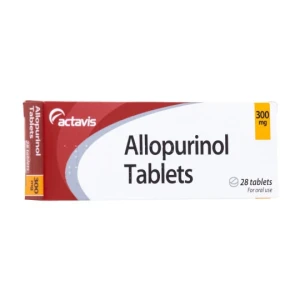

Allopurinol
€17.52
Allopurinol is an essential gout treatment, reducing symptoms and preventing attacks. It works by blocking uric acid production and requires patient-specific dosing.
Delivery & Privacy
- Fast next‑day delivery to get your products as soon as possible.
- All items are packaged discreetly to maintain your privacy.
What Is Allopurinol?
Allopurinol was discovered in the early 1950s by Dr Gertrude Elion and Dr George Hitchings. Their pioneering work on this and other medications that improve metabolism eventually earned them a Nobel Prize.
Fast forward to today, and Allopurinol is an invaluable treatment for gout that many thousands of people use to great effect every day.
What Is Allopurinol Used For?
Allopurinol, known under the brand name of Allopurinol BP 100mg, is usually used to relieve the symptoms of gout, which is a form of arthritis that’s caused by the crystallisation of uric acid in the joints.
How Does Allopurinol Work?
Allopurinol works effectively against gout because it prevents the formation of uric acid, the compound responsible for painful gout attacks. Allopurinol blocks the enzyme xanthine oxidase, which plays an important role in uric acid production, and this means that uric acid crystals can’t accumulate in the joints.
How Does Allopurinol Treat Gout?
Allopurinol not only stops the symptoms of gout but also reduces the likelihood of recurring attacks. By reducing uric acid levels in the body, inflammation in the joints subsides, leading to reduced pain and swelling.
Plus, allopurinol works as a prophylactic, preventing the formation of new uric acid crystals and minimising the risk of future gout flare-ups.
How Long Does Allopurinol Take To Work?
When taking Allopurinol, patience is essential, as it can take several weeks or even months to take effect fully.
The timeframe will vary from person to person due to a range of different factors, including the severity of the gout, the patient’s overall health, and their adherence to their prescriptions. Although improvement might be gradual, for those suffering from the pain of gout, the wait is certainly worth it when relief comes.
Allopurinol Dosage Directions?
When it comes to Allopurinol, it’s crucial to remember that one size (of dosage) doesn’t fit all, and the recommended dosage will depend on the severity of the condition, with 100mg of Allopurinol being a good starting point.
Regular monitoring by healthcare professionals is crucial, as dosages may need to be adjusted over time – it often depends on individual responses and potential side effects.
Overdosing can have serious consequences, so it is vital to stick to the doctor’s recommended dosage.
How To Take Allopurinol
The way to take Allopurinol for adults in tablet form is the most common, and these pills should ideally be taken with food. Timing isn’t strict, but consistency is absolutely vital.
It’s also crucial to avoid alcohol – which can actually make gout worse – and certain medications can interact negatively with Allopurinol, so speaking to your doctor first is necessary.
Who Should Not Take Allopurinol?
If you are of Han Chinese, African or Indian origin, it’s vital to get further advice about taking Allopurinol, as it might not be effective for you.
Plus, people with specific medical conditions, like severe liver disease, may need to avoid Allopurinol and, again, speaking to your doctor to find out is important.
It’s vital not to self-medicate even if you’re sure that Allopurinol will help you. There are important factors to consider, indicating that professional medical care is necessary.
If you believe Allopurinol may be a suitable medication to manage the symptoms of gout, it’s essential to schedule an appointment with your healthcare provider to discuss your options. They will be able to tailor a treatment plan that suits your specific needs.
At PrescriptionDoctor, we can be your help against gout. Our expert consultation services, support, and convenient delivery services guarantee you’ll always have precisely what you need when it comes to medication.
Frequently Asked Questions (FAQs) About Allopurinol
What Should I Know Before Taking Allopurinol?
How Should I Take Allopurinol?
What Are the Possible Side Effects of Allopurinol?
Can I Take Allopurinol During Pregnancy and Breastfeeding?
Can Allopurinol Affect My Ability to Drive or Use Machines?
What Should I Do If I Take More Allopurinol Than I Should?
Related products




Reviews
There are no reviews yet.