


Norethisterone
$19.99
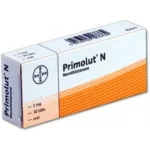
Norethisterone is a prescription-only hormone medication that can be taken to delay your period for up to 4 weeks. It contains a synthetic version of the natural hormone progesterone, so it works by keeping your progesterone levels raised to stop your womb lining from shedding. Norethisterone is a generic pill that you start 3 days before your period is due to successfully delay it. The medication is also available as branded alternatives called Primolut N and Utovlan.
Delivery & Privacy
- Fast next‑day delivery to get your products as soon as possible.
- All items are packaged discreetly to maintain your privacy.
What is Norethisterone?
Norethisterone is a prescription-only synthetic progestogen, a man-made hormone similar to progesterone. It is commonly prescribed in the UK to treat a range of menstrual-related conditions, including period delay.
Each pill contains 5 mg of norethisterone, and when taken to delay your period, it works by keeping your progesterone hormone levels raised, which stops your womb lining from shedding. Most people will get their period within 2 to 3 days of finishing the course.
Norethisterone 5mg Tablet Uses
Norethisterone is used to treat heavy or painful periods, premenstrual syndrome (PMS), and endometriosis. Norethisterone 5 mg tablets are also commonly prescribed in the UK to delay your period for important occasions, such as weddings, exams, sporting events, and holidays.
How Does Norethisterone Work?
During the menstrual cycle, hormone levels naturally rise and fall, which affects the lining of the womb (uterus). Progesterone plays an important role in this process. When progesterone levels are high, the lining of the womb thickens to prepare for possible pregnancy. If pregnancy does not occur, the progesterone levels drop, causing the womb lining to shed and a period to begin.
Norethisterone works by keeping the levels of progesterone high, which helps keep the lining of the womb in place and prevents it from shedding. This delays the start of your period for as long as you continue taking the tablets as prescribed. For period delay, norethisterone is usually started 3 days before your expected period and can delay bleeding for up to 4 weeks. Once you stop taking the medication, hormone levels fall, and your period will typically begin within a few days.
How Long Does Norethisterone Take to Work?
It takes approximately 3 days for norethisterone 5 mg tablets to effectively delay your period. So, you will need to start taking it at least 3 days before your period is due to make sure your period does not start.
How Effective is Norethisterone?
Norethisterone is an effective option for delaying a period when it is taken correctly. In the UK, the licensed dose for postponing menstruation is typically one 5 mg tablet three times a day, starting 3 days before your period is due. When taken as prescribed, norethisterone maintains progesterone-like hormone levels, preventing the womb lining from shedding and delaying bleeding until treatment is stopped.
Norethisterone is not guaranteed to work for everyone, especially if you start it too late, miss a dose, or have irregular cycles. Norethisterone is also not a contraceptive, so it will not protect you against pregnancy, and you will need to continue using contraception if you want to avoid getting pregnant.
How to Take Norethisterone to Delay Periods
It’s recommended that you take Norethisterone 3 days before your period is due to begin. The regular dosage is 1 pill 3 times per day (15 mg). You should space the doses out so they are roughly 8 hours apart and, if possible, try to take them at the same time every day. It can help to set an alarm on your phone to help you remember to take the tablets.
Norethisterone tablets can be taken with or without food. Swallow them whole with a glass of water, taking care not to chew or break the pills. Your normal period should resume 2-3 days after taking the last tablet. If your period does not start within this time frame, please don’t hesitate to contact our clinicians or your GP for further advice and assistance.
What Happens If I Miss a Norethisterone Pill?
If you forget to take a dose of norethisterone, take it as soon as you remember, and continue taking the rest of the pills as usual. Do not take a double dose to make up for a forgotten dose. If you have forgotten a dose of norethisterone and are unsure about what to do, contact a doctor or pharmacist for advice.
What Happens If You Take Norethisterone Too Late?
For norethisterone to be effective, it needs to be started 3 days before your period is due. If you start taking it too late, your body may have already started the hormonal changes that trigger your period, meaning the medication may not fully stop it from starting. If you take norethisterone too late, you may experience spotting, breakthrough bleeding, or a full period, even after starting treatment.
What Happens If You Take Norethisterone Too Early?
Taking norethisterone earlier than advised is not usually harmful, but it may mean you take the tablets for longer than necessary. It may also increase the risk of side effects, such as bloating, headaches, nausea, or mood changes. You should take norethisterone exactly as your clinician has prescribed.
What Happens If You Take Too Much Norethisterone?
If you take more norethisterone tablets than you have been prescribed, you should contact your doctor straight away, as it increases the chance of side effects. Although in most cases, accidentally taking an extra tablet is unlikely to cause you harm, taking a large amount of norethisterone can cause severe symptoms, and you should contact your doctor or seek urgent medical attention.
Norethisterone Side Effects and Cautions
It is important that you understand the potential side effects and risks of taking this medication before you start it. If you have any concerns about potential norethisterone side effects, contact a doctor or pharmacist.
Side Effects of Norethisterone
Like with all medications, Norethisterone 5mg tablets can cause side effects, though not everyone will experience them. It’s therefore recommended to have a clear understanding of what to expect before starting treatment.
Potential Norethisterone side effects include:
- Bleeding and spotting between periods
- Lack of periods (amenorrhoea)
- Unexpected or unusual vaginal bleeding
- Breast pain and tenderness
- Headache
- Dizziness
- Fatigue
- Nausea or vomiting
- Diarrhoea
- Constipation
- Disturbed liver function
- Yellowing of the skin or whites of the eyes (jaundice)
- Liver disorders, such as a benign liver tumour
- Altered blood fat levels
- Altered blood sugar levels
- Increased insulin levels between meals and worsening of diabetes
- Blood clots
- Increased blood pressure
- Heart beating faster
- Acne
- Increase in body or facial hair
- Hair loss
- Fluid retention and swelling of hands and ankles
- Bloating
- Weight gain
This is not an exhaustive list of possible Norethisterone side effects. More information can be found within the Patient Information Leaflet.
There are some potential side effects that need urgent medical attention. If you get any of the following side effects, see a doctor straight away:
- Yellowing of the skin or whites of the eyes (jaundice)
- Migraine headache for the very first time
- High blood pressure
If you get any side effects while taking norethisterone, even if they are not listed in the patient leaflet, you should report them to your doctor. Alternatively, you can report them to the Yellow Card Scheme.
Norethisterone Side Effects After Stopping
After stopping norethisterone, most people will get their period within 2 to 3 days as hormone levels return to normal and the lining of the womb begins to shed. Some people may notice temporary side effects after finishing treatment, including changes in bleeding patterns, mild cramping, headaches, bloating, breast tenderness, or mood changes.
These effects are usually short-lived and settle on their own. If you experience very heavy bleeding, severe pain, or symptoms that do not improve, you should speak to your GP or pharmacist.
Norethisterone and Psychiatric Disorders
Hormonal medications such as norethisterone can affect people differently, and some individuals may notice changes in mood while taking it. Possible mood-related side effects can include low mood, irritability, anxiety, or mood swings, although not everyone will experience these symptoms.
If you have a history of depression or another mental health condition, it is important to let your clinician know before starting norethisterone so they can check whether it is suitable for you. You should seek medical advice if you notice significant changes to your mood or mental wellbeing while taking the medication.
Norethisterone 5mg Tablets and Risk of Blood Clots
Norethisterone may slightly increase the risk of blood clots in some people, particularly at higher doses or in those with risk factors for clotting. Your risk may be higher if you:
- Are smoking
- Are overweight
- Have a personal or family history of blood clots
- Have certain medical conditions, such as systemic lupus erythematosus (SLE)
- Are unable to move or will be off your feet for a while, such as after surgery
- Have a serious injury or have major surgery
- Have a history of repeated miscarriage
Because of this, norethisterone may not be suitable for everyone, and an online pharmacy or clinician will usually ask questions about your medical history before prescribing it. Seek urgent medical attention if you develop symptoms of a blood clot, such as sudden shortness of breath, chest pain, swelling in one leg, or severe pain in the calf.
Norethisterone Pills Warnings and Interactions
Norethisterone is not suitable for all women. If you are unsure whether Norethisterone is right for you, speak to your clinician for advice.
Do not take Norethisterone tablets if you:
- Are allergic to norethisterone or other similar hormone medicines, or any of the other listed ingredients
- Are pregnant, think you might be pregnant or are trying to conceive
- Have now or have ever had any unexplained vaginal bleeding
- Or a family member has ever had a blood clot
- Have or have ever had a heart attack or angina
- Have liver problems
- Have ever had a pregnancy where you had jaundice or an itchy rash called pemphigoid gestationis
- Have severe generalised itching all over the body
- Have a condition called porphyria
Talk to your clinician or doctor if you have any of the following conditions before taking Norethisterone:
- Epilepsy
- Migraine headaches
- Asthma
- Heart problems
- Kidney problems
You should also speak to a doctor or pharmacist before taking Norethisterone if you are breastfeeding.
When to Immediately Stop Taking Norethisterone Pills
In very rare cases, norethisterone can cause a severe allergic reaction or a blood clot in a blood vessel, which in some cases can be life-threatening. If you get any signs of an allergic reaction or a blood clot, stop taking norethisterone and see a doctor immediately.
Signs of an allergic reaction include:
- Wheezing
- Difficulty breathing
- Feeling faint
- Swelling of the face and tongue
- Swelling of the hands and feet
- Intense itchy skin rash
The table below outlines potential signs of a blood clot:
| Location | Signs |
|---|---|
| Lungs | Sudden, severe, sharp pain in your chest Coughing up blood Sudden shortness of breath The heart beats more rapidly |
| Brain (Stroke) | Unusually severe or long headache Sight changes Difficulty speaking Collapsing or fainting Weakness or numbness in any part of your body |
| Deep vein thrombosis (DVT) | Severe pain or swelling in your calf, ankle, or foot Purple discolouration of the skin of the leg, or your skin becomes red and warm to the touch |
Norethisterone Interactions
Before taking Norethisterone, let the clinician know about any prescribed, over-the-counter, or herbal medications you are taking. This will help them ensure that Norethisterone is safe and suitable for you to take, as some medications can interact with it, making it less effective or potentially unsafe.
Tell the clinician if you are taking:
- Medications to treat epilepsy, such as phenytoin or carbamazepine
- Antibiotic medicines to treat an infection, including tetracyclines, rifampicin, and co-trimoxazole
- Antiviral medicines to treat HIV, such as ritonavir or nelfinavir
- Anticancer medicines
- Herbal preparations, including St John’s wort
- Aminoglutethimide
- Ciclosporin
- Non-steroidal anti-inflammatory drugs (NSAIDs) for treating pain and inflammation
- Medicines for high blood pressure
Where Can I Get Norethisterone Tablets?
Norethisterone 5 mg tablets are a prescription-only medication, which means you must have a clinician’s approval before getting them. You will need a short consultation, either face-to-face or online, so that a healthcare professional can make sure the medication is safe for you.
Can You Buy Norethisterone Over the Counter?
No, you cannot get norethisterone over the counter because it requires a prescription from a doctor or a registered clinician.
Is Norethisterone on the NHS?
Although norethisterone is available on the NHS for medical reasons, such as managing heavy periods or treating endometriosis, it is not usually available for period delay. This is because delaying your period is not a medical reason and is a lifestyle or convenience reason for requesting norethisterone.
Can You Buy Norethisterone Online?
Yes, you can get norethisterone online from trusted services such as Prescription Doctor. You will need to complete a short online health questionnaire for our clinician to review so they can ensure that norethisterone for period delay is safe for you based on your medical history.
If your request is approved, we will provide a prescription and dispatch your medication in plain, discreet packaging to maintain confidentiality. If your request is approved before 3pm on a weekday, we will dispatch your medication using our next-day delivery service.
Frequently Asked Questions About Norethisterone 5mg Tablets
Is Norethisterone Safe?
How Long After Taking Norethisterone Will My Periods Start?
What is the Maximum Norethisterone Dosage Per Day?
The recommended dosage of norethisterone will depend on the condition it is being prescribed for. The dosage prescribed to you by a clinician can be found on the box that the tablets come in. For period delay, the maximum dose is 15 mg per day, or 1 5 mg tablet taken 3 times a day.
If you are not sure how much norethisterone to take, speak to a doctor or pharmacist.
Can I Take Norethisterone During My Period?
Can Norethisterone Stop a Period Once Started?
Why Am I Not Getting My Period After Stopping Norethisterone?
Does Norethisterone Reset Your Cycle?
Is Norethisterone a Contraceptive?
Can You Drink on Norethisterone Tablets?
Can I Take Norethisterone With HRT?
Yes, it is possible to take norethisterone alongside HRT, but how you take it depends on the purpose. You should speak to your GP or pharmacist before taking norethisterone alongside hormone replacement therapy (HRT).
This is because both treatments contain hormones, and combining them may not be suitable for everyone. A clinician can check for potential interactions and ensure the treatment is safe based on your medical history and current medications.
Is It Safe to Delay My Period?
Can I Take Oral Contraceptives Alongside Norethisterone?
You should not take Norethisterone for period delay if you are already taking a combined contraceptive pill, unless specifically advised to by a clinician. If you are using a progestogen-only pill, also known as a “mini-pill”, consult a doctor or clinician before starting norethisterone treatment.
You should also not take Norethisterone with other combined hormonal contraceptives such as the contraceptive patch or vaginal ring, again unless a clinician has specifically advised it is safe to do so.
Can I Have Sex While Taking Norethisterone Tablets?
Are there alternatives to Norethisterone for delaying a period?
Yes, Norethisterone is not the only period delay tablet available. At Prescription Doctor, our clinician can also prescribe branded forms of norethisterone, which work in exactly the same way and contain the same amount of active ingredient. They are called Primolut N or Utovlan.
Alternatively, we can also provide Provera, which contains medroxyprogesterone, a different type of synthetic progestogen that works similarly to norethisterone to delay your period.
If you are taking a monophasic 21-day or everyday combined contraceptive pill, you can also delay your period by taking two strips back-to-back. If you are taking a phasic combined pill, you should speak to a doctor before changing the way you take it to delay your period. Consult with your GP about whether your combined pill is suitable for temporarily delaying your period.
Related products





Reviews
There are no reviews yet.